Cats hide discomfort well. A cat with sore joints or a nervous stomach often just eats less, hides more, or grooms differently, and by the time an owner notices something is off, the issue has been building for weeks. That quiet nature is part of why interest in feline wellness products has grown so quickly over the past few years. Among the options showing up on pet store shelves and veterinary clinic counters, Holistapet CBD cat treats have become one of the more talked-about categories. They combine a familiar format, a small chewable treat, with a hemp-derived compound that has generated significant research interest in both human and animal health circles. Understanding what these products actually contain, how they’re regulated, and what to look for on a label matters more than the marketing copy on the package. Cannabidiol, or CBD, is one of more than 80 active compounds found in the Cannabis sativa plant. Unlike THC (tetrahydrocannabinol), CBD does not produce a psychoactive “high.” Products marketed as CBD cat treats are legally required to come from hemp, defined under the 2018 Farm Bill as cannabis containing no more than 0.3% THC on a dry-weight basis. That law removed hemp from the Controlled Substances Act at the federal level, which is why hemp-derived CBD products are widely sold in pet stores today. State rules vary. Some states treat hemp-derived pet products as ordinary retail goods; others impose additional labeling or testing requirements, and a handful restrict veterinarians from discussing cannabinoid products with clients at all. Checking local regulations before purchasing is a reasonable first step for any cat owner considering these treats. No CBD product, human or animal, has FDA approval for use as an over-the-counter pet supplement. According to a January 2025 Federal Register notice from the FDA, no CBD-containing animal drug has been approved, conditionally approved, or indexed by the agency. The only cannabis-derived prescription drug approved for any species is Epidiolex, used in humans for specific seizure disorders. That gap doesn’t mean CBD cat treats are illegal to sell. It means manufacturers can’t legally make disease-treatment or cure claims on packaging, and buyers are relying on the seller’s own quality control rather than a government approval process. The FDA opened a public request for information on cannabis-derived veterinary products in January 2025 (Docket FDA-2025-N-0001), signaling that clearer federal rules could be coming, though nothing formal has been finalized as of this writing. The American Veterinary Medical Association has been direct about this gap, stating plainly that state laws legalizing cannabis use in people do not extend to animals. That distinction gets lost in a lot of consumer marketing. Most peer-reviewed cannabinoid research in companion animals has focused on dogs, not cats. A safety study published in Frontiers in Veterinary Science in March 2024, backed by the National Animal Supplement Council, found that hemp-derived cannabinoids were well tolerated in healthy dogs dosed at 5 mg per kilogram of body weight over 90 consecutive days. Separately, Cornell University researchers reported reduced pain scores in a majority of dogs with osteoarthritis given CBD oil in a controlled study. Cats are a different species with different liver enzyme activity, and dosing data calibrated for dogs doesn’t automatically transfer. Feline-specific studies exist but remain limited compared to the canine literature. This is worth saying plainly: anyone buying CBD cat treats today is buying into a product category ahead of where the formal research currently stands. A few label details separate a reasonably transparent product from a vague one: Products that list “proprietary blend” without a milligram count, or that lack any COA, are harder to evaluate and harder to dose consistently. Estimates of the pet CBD market’s size vary by research firm and methodology, which is normal for a young product category. Mordor Intelligence placed the CBD pet products market at roughly $302.8 million in 2025, projecting growth to about $538.4 million by 2030 at a 12.2% annual rate. Other analysts, including Straits Research, have published higher growth trajectories, citing rising consumer interest in natural wellness alternatives to conventional pharmaceuticals. Dog products still account for roughly half of pet CBD sales industry-wide, but multiple market reports point to cat-focused products as the fastest-growing segment, driven largely by interest in joint and arthritis support, since many standard feline arthritis medications carry their own safety concerns for long-term use. North America holds the largest regional share of this market, generally cited above 40%. Cats metabolize drugs and supplements differently than dogs or humans, and CBD can interact with medications processed through the liver. A veterinarian who knows the cat’s health history, current medications, and any liver or kidney conditions is in a far better position to weigh in than a product label. Bringing the COA and dosage information to that conversation makes it more useful. Signs that warrant contacting a vet promptly if they appear after starting any new supplement include unusual lethargy, vomiting, diarrhea, or changes in appetite that don’t resolve within a day or two. CBD cat treats sit in a regulatory gray area with real growth in consumer demand but limited feline-specific research behind them. Reading the label carefully and looping in a veterinarian before starting anything new remains the most practical approach. Cat owners scrolling through pet store shelves keep running into the same three letters lately: CBD. Tinctures, treats, and capsules promise relief for everything from restlessness to stiff joints, and the marketing moves a lot faster than the science behind it. Cannabidiol, known as CBD, is one of more than 100 compounds found in the Cannabis sativa plant. Unlike THC, it does not produce intoxicating effects. Hemp-derived CBD products sold legally in the United States must contain no more than 0.3% THC by dry weight, a threshold set under federal hemp law. That distinction matters for Holistapet CBD oil for cats specifically, since THC is toxic to felines at doses far lower than what affects humans or even dogs. Cats, dogs, and humans all have an endocannabinoid system: a network of CB1 and CB2 receptors spread through the brain, immune tissue, and digestive tract. CBD does not lock onto these receptors directly the way THC does. Current thinking holds that it works indirectly, changing how the body handles its own endocannabinoids along with other signaling molecules such as serotonin. That mechanism is fairly well mapped in rodents and humans. In cats, the picture is thinner. Feline liver enzymes process certain compounds differently than a dog’s or a person’s does; cats have a reduced capacity for glucuronidation, a metabolic step many drugs rely on for clearance. This partly explains why a dose that behaves one way in a dog cannot be assumed to behave the same way in a cat. A 2019 study published in the journal Animals, led by a Cornell University research team, dosed eight cats and eight dogs with 2 mg/kg of a CBD-rich hemp product twice daily for 12 weeks. Six animals per species were tracked for single-dose pharmacokinetics. The species gap was stark: dogs reached a mean peak serum concentration of 301 ng/mL, while cats topped out around 43 ng/mL. Cats absorbed far less CBD and cleared it from their bloodstream more quickly than dogs did. Bloodwork over the 12-week period stayed largely within normal ranges, with one notable exception: one cat in the study showed a persistent rise in ALT, a liver enzyme, for the full duration of dosing. That single finding does not prove CBD damages feline livers, but it is the kind of detail a veterinarian would want to know before recommending long-term use. Later studies have filled in more detail: None of these trials set out to prove CBD treats a specific feline illness. They measure how the compound moves through a cat’s system, which is a separate question from whether it changes an actual health outcome. The U.S. Food and Drug Administration has not approved any CBD product for use in animals. The one FDA-approved drug containing CBD, Epidiolex, treats rare pediatric seizure disorders in humans and carries no animal indication whatsoever. Under the Federal Food, Drug, and Cosmetic Act, any product marketed to diagnose, treat, cure, or prevent disease in an animal is legally a drug, and drugs require FDA approval before those claims can be made. That legal gap has produced a steady run of enforcement action. In April 2025, the FDA’s Center for Veterinary Medicine sent warning letters to three companies, including HolistaPet and CBD Dog Health, for marketing CBD products with unsubstantiated claims about treating anxiety, pain, and other conditions in cats and dogs. Months earlier, the agency’s Center for Veterinary Medicine opened a formal request for information asking veterinarians nationwide to share their firsthand observations on cannabis-derived products in animal patients, a comment period that closed in mid-April 2025. The American Veterinary Medical Association has staked out a similarly cautious position. Because CBD is not FDA-approved for animal use, veterinarians in most states cannot legally prescribe it as a treatment, though many can and do discuss it if an owner brings the subject up during an appointment. State rules add another layer on top of federal enforcement. A handful of states, including California, Colorado, and Virginia, have passed laws explicitly allowing veterinarians to discuss cannabis products with clients without risking their license, while other states leave the topic in a legal gray zone that makes many vets reluctant to bring it up unprompted. That patchwork means the conversation a cat owner can have with a veterinarian about CBD depends partly on geography, not just on the animal’s health history. Numbers like these are useful for researchers designing the next trial. They are less useful on their own for an owner trying to decide on a bottle of oil, since none of the studies above measured whether CBD reduced anxiety, pain, or seizure frequency in cats. A 2025 review in the Journal of Feline Medicine and Surgery summed up where the field currently sits, describing feline cannabinoid absorption as favorable while noting that actual clinical trials on disease outcomes in cats still lag well behind the growing body of canine research. Hemp-derived cat products show up in several forms, and the format changes how predictable the dosing is. Oil tinctures dropped directly into a cat’s mouth or onto food allow for the most precise, adjustable dosing, since the concentration per drop is usually printed on the label. Treats and chews bake CBD into a fixed amount per piece, which is convenient but less flexible if a veterinarian recommends adjusting the amount over time. Capsules sit somewhere in between, offering a set dose without the taste issues that sometimes come with oil. None of the pharmacokinetic studies referenced above tested every format on the market. The 2019 Cornell trial and the 2023 dose-escalation study both used oil-based products, while the 2022 Frontiers paper tested a paste formulation. Absorption can shift meaningfully depending on carrier oil, whether the cat has eaten recently, and how the product is manufactured, so results from one formulation should not be assumed to transfer directly to another. Full-spectrum products contain a range of cannabinoids and plant compounds beyond CBD alone, including trace CBDA, which the 2022 feline study found absorbed even better than CBD itself. Broad-spectrum products remove THC while keeping other compounds, and isolate products contain CBD only, with everything else stripped out. Each category carries a different risk profile for trace THC exposure, which matters given how sensitive cats are to that compound compared with dogs or humans. Anyone weighing CBD oil for cats against the current evidence base should keep a short list of realities in mind: None of this replaces a conversation with a veterinarian familiar with the individual cat’s health history, current medications, and any liver or kidney concerns that might change how the animal processes CBD. The pharmacokinetic research on CBD in cats is real and growing, but it answers how the compound moves through a cat’s body, not whether it treats any specific condition. Anyone considering it should treat the question as open rather than settled and involve a veterinarian before making a change. Nighttime behavior can reveal changes that are easy to overlook during the day. A dog that suddenly wanders around the house after bedtime may be reacting to noise, discomfort, a new routine, or an age-related change. In other cases, the behavior may be temporary and settle after the household returns to a familiar schedule. Holistapet Melatonin for Dogs is sometimes considered in these situations because melatonin is involved in regulating biological sleep timing, but supplementation should follow a careful assessment rather than a one-size-fits-all rule. The first question should be simple: what changed? A new sleeping problem can follow a move, a new family schedule, travel, boarding, construction noise, or another disruption. Dogs can also respond to changes that humans barely notice, such as a different feeding time or a new location for their bed. Medical causes should remain on the list. Pain, digestive problems, urinary discomfort, skin irritation, endocrine conditions, and neurological changes can all affect nighttime behavior. For several nights, record: Patterns can become easier to see after several days. If restlessness consistently follows a particular event, that information may be more useful than immediately reaching for a supplement. Melatonin is a hormone naturally produced by mammals. Its production follows a daily pattern influenced by the light-dark cycle. The hormone is associated with the timing of sleep and other biological rhythms. Supplemental melatonin has been studied and used in veterinary settings for certain purposes, but evidence and clinical practice vary depending on the condition being addressed. A supplement should therefore be considered within the context of the dog’s overall health. Dogs are also different from humans in their sleep patterns. Many dogs sleep in several periods throughout the day. A dog that wakes briefly at night is not necessarily experiencing a disorder. Puppies may wake because they need bathroom breaks, reassurance, feeding, or additional routine training. Their sleep patterns can change quickly as they mature. Senior dogs can have a different set of concerns. Reduced hearing or vision, discomfort, anxiety, and cognitive changes may contribute to nighttime pacing or confusion. In such cases, simply trying to make the dog sleep longer may fail to address the underlying problem. Melatonin itself is only one part of a supplement. The complete ingredient list matters. Human formulations can contain xylitol, a sweetener that is dangerous to dogs. According to the U.S. Food and Drug Administration, xylitol exposure can cause rapid insulin release and dangerously low blood sugar in dogs. Severe poisoning can involve seizures, collapse, and liver injury. That makes label checking a basic safety step. Read the label for: Avoid products with unclear labeling. If a supplement has several active ingredients, the potential effects and interactions can become harder to evaluate. A veterinarian can recommend whether a simpler formulation is preferable for a particular dog. A supplement cannot compensate for a chaotic routine. Dogs often respond well to predictable daily patterns because they learn when food, exercise, play, and rest are expected. Daytime activity should be appropriate for the animal’s age and physical condition. Mental stimulation can also help dogs that are physically active but still restless at night. Short training sessions, scent games, food puzzles, and supervised enrichment can provide useful daytime engagement. A practical nighttime routine may include: Some dogs prefer a quiet room, while others sleep better when they remain close to familiar people. There is no single ideal setup for every household. Persistent nighttime behavior deserves more attention when it is new, intense, or accompanied by other symptoms. Changes in appetite, thirst, urination, mobility, weight, mood, or house-training can provide important clues. A veterinary examination can help distinguish a routine issue from a medical one. This matters particularly for older dogs, dogs with chronic conditions, and animals already receiving medication. There is no universal melatonin dose that can safely be applied to every dog. The appropriate amount can depend on the animal, the product concentration, the intended purpose, and other health factors. A dog receiving medication may also require additional consideration. Supplements can have effects that overlap with prescription treatments or may be unsuitable for certain conditions. For that reason, veterinary guidance is preferable to copying a dosage listed for another dog online. Several assumptions can create unnecessary risk. One is assuming that a product made for people is safe for animals. Another is believing that a higher amount will produce better results. Other mistakes include giving multiple calming products at the same time, ignoring sudden behavioral changes, and failing to check inactive ingredients. A cautious approach is usually straightforward: identify the reason for the behavior, improve basic routines, review the product label, and consult a veterinarian when supplementation is being considered. Melatonin may be considered in selected canine situations, but the cause of nighttime restlessness should come first. Careful product selection and veterinary guidance can reduce avoidable risks while keeping attention on the dog’s actual needs. A bottle of CBD oil doesn’t look like much: amber glass, a dropper cap, maybe a leaf printed on the label. But what’s inside represents a fairly specific chemical and biological story, one that starts in a hemp field and ends with a compound interacting with receptors already present throughout the human body. Cannabidiol, or CBD, is one of more than 100 cannabinoids identified in the cannabis plant. It’s most commonly extracted from hemp, a cannabis variety legally defined in the United States as containing no more than 0.3% THC by dry weight. That distinction matters immediately, because THC, tetrahydrocannabinol, is the cannabinoid responsible for the psychoactive “high” associated with marijuana. CBD oil, when properly sourced from compliant hemp, does not produce that effect. Somewhere in the middle of most conversations about wellness supplements these days, Holistapet CBD oil comes up as a topic people want straightforward, unbiased information about rather than another sales pitch. Getting cannabidiol out of the plant and into a usable oil involves an extraction process. CO2 extraction has become the industry standard method, using pressurized carbon dioxide to pull cannabinoids and terpenes out of the plant material without leaving behind solvent residue. Ethanol extraction is the other widely used approach, generally cheaper to scale but requiring careful purging to remove residual alcohol from the finished product. Older or lower-budget operations sometimes use hydrocarbon solvents like butane, a method that works but carries more risk of contamination if not executed with strict quality control. Once extracted, the concentrate gets diluted into a carrier oil (commonly MCT oil derived from coconut, or hemp seed oil) to create the pourable, dropper-dispensed tincture found on store shelves. The reason CBD does anything at all in the body comes down to the endocannabinoid system, a regulatory network discovered by researchers in the early 1990s while studying how THC affects the brain. This system includes two primary receptor types: CB1 receptors, concentrated mainly in the central nervous system, and CB2 receptors, found more heavily in immune tissue. The endocannabinoid system was identified relatively recently in scientific terms. Israeli researcher Raphael Mechoulam, working with colleagues in the early 1990s, helped identify anandamide, one of the body’s own naturally produced cannabinoid compounds, while investigating how THC exerted its effects on the brain. That discovery opened up an entire field of study into how cannabinoid receptors regulate everyday bodily functions independent of any external plant compound at all. CBD’s interaction with this system is still being mapped in more detail today, decades after the system itself was first characterized. THC binds directly and strongly to CB1 receptors, which is part of why it produces intoxicating effects. CBD’s relationship with these receptors is more indirect. Rather than binding tightly to CB1 or CB2, it appears to influence how the body’s own naturally produced endocannabinoids (anandamide, for instance) are broken down, effectively increasing their availability. This is one proposed explanation, among several under continued study, for the calming or pain-modulating effects some users report. A few habits tend to improve consistency for anyone incorporating CBD oil into a regular routine: Not all CBD oil is formulated the same way, and the difference shows up directly in how a product is labeled and what it contains beyond CBD itself. Some researchers refer to the “entourage effect,” a theory suggesting cannabinoids and terpenes work more effectively in combination than any single compound does alone. It’s a widely discussed idea in the cannabis research community, though it remains a hypothesis under active investigation rather than a settled scientific conclusion. One of the more common points of confusion involves the total milligram figure printed prominently on the front of most bottles. A 30 mL bottle labeled “1000 mg” contains 1000 mg of CBD spread across the entire bottle, not 1000 mg per dropper. Dividing total milligrams by total milliliters gives the actual concentration per mL, a number that matters far more for practical use than the large total figure marketing tends to emphasize. A properly labeled bottle states total CBD content, concentration per serving, the extraction method used, whether the product is full-spectrum, broad-spectrum, or isolate, and a batch number that links back to an independent certificate of analysis. Products relying on vague terms like “premium strength” without an actual number attached make it far harder to use the product consistently or safely. The carrier oil isn’t just a delivery vehicle, it affects both absorption and shelf stability. MCT oil, short for medium-chain triglycerides and typically sourced from coconut, has become the most common carrier because it dissolves cannabinoids efficiently and has its own reputation as an easily digested source of fat. Hemp seed oil shows up as a carrier in some products too, bringing along its own omega-3 and omega-6 fatty acid content as a separate nutritional feature unrelated to the CBD itself. Olive oil appears occasionally, particularly in smaller or more traditionally formulated brands. None of these choices is inherently superior, though anyone with a coconut sensitivity has a clear reason to check the carrier oil before purchasing an MCT-based product. Oil isn’t the only delivery method on the market, and understanding how it compares to the alternatives helps clarify why so many people still reach for a dropper bottle over a gummy or capsule. Oil tends to be the preferred format specifically when a dose needs frequent, small adjustments, something a fixed-dose capsule or gummy doesn’t easily allow for. Most CBD oil carries a shelf life of roughly 12 to 18 months unopened, somewhat shorter once opened and repeatedly exposed to air. Heat, light, and oxygen all degrade cannabinoid potency gradually, which is why quality manufacturers package oil in dark amber or cobalt glass rather than clear plastic. Storing a bottle in a cool, dark cabinet rather than a sunny windowsill or a hot car noticeably extends how long it retains its labeled potency. Beyond CBD content itself, ingredient transparency extends to where the hemp was actually grown. Manufacturers who disclose a specific farm or growing region tend to be more transparent across the board about extraction method and testing as well, a pattern worth noticing even though naming a region isn’t a guarantee of quality by itself. Soil quality matters here too, since hemp is what’s known as a bioaccumulator, meaning it readily absorbs substances, including contaminants, from the soil it’s grown in. This is part of why heavy metal testing on the COA carries real weight rather than being a box-checking formality. Bioavailability, the percentage of a substance that actually enters the bloodstream and becomes available for use, varies significantly across CBD delivery methods. Oral ingestion through capsules or oil swallowed directly, without sublingual holding time, generally has the lowest bioavailability among common methods, often in the range of 6% to 15% according to pharmacokinetic research on cannabinoid absorption, largely because a significant portion is broken down during first-pass metabolism in the liver before it ever reaches systemic circulation. Sublingual administration improves on this somewhat by allowing partial absorption directly through the mucous membranes, bypassing some of that first-pass metabolism. CBD oil’s effects trace back to specific, identifiable mechanisms involving the endocannabinoid system, and understanding extraction method, spectrum type, and labeled concentration turns a fairly opaque product category into something that can be evaluated with actual information rather than guesswork. Pet owners scanning the shelves at a local pet store or scrolling through an online retailer have likely noticed a growing number of products labeled with a small green leaf and the letters “CBD.” These treats have moved from niche wellness shops into mainstream pet aisles over the past several years. Cannabidiol, or CBD, is one of more than 100 compounds found in the cannabis plant. Unlike THC, the compound responsible for the psychoactive effects of marijuana, CBD does not produce a high. Most CBD dog treats are derived from industrial hemp, a cannabis variety that by federal definition contains no more than 0.3% THC by dry weight. This is the middle of the article, and it’s worth noting that Holistapet CBD Dog Treats have become one of the fastest-growing categories in the pet supplement market, according to industry tracking by the American Pet Products Association. Dogs, like humans, have an endocannabinoid system (ECS) made up of receptors distributed throughout the brain, nervous system, and immune system. Researchers at Colorado State University’s College of Veterinary Medicine have studied how cannabinoids interact with these receptors in canines, particularly regarding pain and inflammation response. The ECS helps regulate a range of bodily functions: appetite, mood, pain perception, and immune response among them. When CBD is introduced, it doesn’t bind directly to the two main receptor types (CB1 and CB2) the way THC does. Instead, it appears to influence how the body processes its own naturally occurring cannabinoids and other neurotransmitters like serotonin. CBD comes in several delivery formats for dogs, but treats remain a popular choice for a few practical reasons: Absorption rates can differ between treats and oils. Oil placed under the tongue is absorbed through the mucous membranes and may enter the bloodstream faster. Treats pass through the digestive system first, which can mean a slower onset but sometimes a longer duration of effect. Neither format has been definitively proven superior in peer-reviewed veterinary literature; the choice often comes down to what a given dog will actually accept. A treat’s packaging and accompanying certificate of analysis (COA) should specify whether the product is a full-spectrum extract (containing multiple cannabinoids and trace THC), broad-spectrum (multiple cannabinoids with THC removed), or a CBD isolate (CBD only, no other cannabinoids). Full-spectrum products are sometimes associated with what researchers call the “entourage effect,” a theory that cannabinoids work more effectively together than in isolation. This remains an active area of study rather than settled science. CBD dog treats sit at the intersection of a well-established plant compound and a still-developing body of veterinary research. Understanding the basic mechanics, how the ECS works, why format matters, and what the label should disclose, gives owners a more informed starting point before making a purchase. A dropper bottle of hemp extract looks simple enough sitting on a kitchen counter, but getting from a hemp field to that bottle involves a fairly specific process, and understanding it explains a lot about why one oil differs from another on the shelf. Hemp plants are harvested and their flowers, leaves, and stalks go through an extraction process designed to pull out cannabinoids, terpenes, and other plant compounds while leaving behind the fibrous plant material. CO2 extraction has become the industry’s preferred method because it uses pressurized carbon dioxide instead of chemical solvents, which means less risk of solvent residue ending up in the finished product. Ethanol extraction is the other common route, and when done with proper purging, it produces a clean result too. Some smaller or older operations still use hydrocarbon solvents like butane, a method that’s faster and cheaper but requires much more careful purging to avoid leaving trace residue behind, which is part of why CO2 extraction has become the standard buyers are usually advised to look for. What comes out the other end of any of these processes is a concentrated extract that gets diluted into a carrier oil, usually MCT oil (derived from coconut) or hemp seed oil itself, to make the tincture pourable and dosable by the drop. Holistapet CBD oil for dogs generally falls into one of three categories, and the difference matters more than it might seem at first glance. Full-spectrum oil contains CBD along with other cannabinoids naturally present in hemp, plus trace THC capped at 0.3% by federal definition. Broad-spectrum oil goes through an additional step to strip out THC entirely while keeping other cannabinoids intact. Isolate is CBD in its purest form, with everything else removed. Some researchers describe a theory called the entourage effect, the idea that cannabinoids and terpenes work better together than any single compound alone, though this remains a hypothesis under continued study rather than an established fact. Dogs have an endocannabinoid system, a network of receptors spread through the brain, spinal cord, and peripheral tissues that helps regulate pain signaling, mood, appetite, and immune activity. Two receptor types, CB1 and CB2, are central to this system. CB1 receptors cluster mostly in the nervous system, while CB2 receptors show up more in immune tissue. CBD doesn’t bind tightly to either receptor the way THC does. Instead, current research suggests it works more indirectly, influencing how the body’s own naturally produced cannabinoids (called endocannabinoids) are broken down and used. This indirect mechanism is part of why CBD doesn’t produce intoxication the way THC does, even though both come from the same plant family. Some researchers have also pointed to CBD’s interaction with serotonin receptors as a possible explanation for reported calming effects, though this pathway is studied far more extensively in humans and rodents than in dogs specifically. Dogs are generally considered more sensitive to cannabinoid compounds than humans, largely because they have a higher concentration of CB1 receptors in certain areas of the brain. This is part of the reason veterinary toxicologists treat marijuana (THC) ingestion in dogs as a genuine medical concern requiring treatment, even though the same amount might produce only mild effects in an adult human. It’s a useful data point for understanding why hemp-derived, low-THC formulations exist as a distinct category rather than dog owners simply using human cannabis products. Oil offers something treats and capsules can’t: adjustable dosing down to the individual drop. A dropper typically marks milliliter increments, and knowing the milligram concentration per milliliter (stated on the bottle) lets an owner calculate a precise dose rather than being locked into a fixed treat size. There’s a tradeoff, though. Oil requires either administering it directly into the mouth, which some dogs resist, or mixing it into food, which changes the absorption picture slightly since it now travels through digestion rather than potentially being absorbed sublingually. A few practical administration notes: One of the more common mistakes owners make involves confusing the total bottle size with the concentration. A 30 mL bottle labeled “500 mg” doesn’t mean each full dropper contains 500 mg. It means the entire bottle contains 500 mg spread across 30 mL, which works out to roughly 16.6 mg per milliliter. Reading the concentration line on the label, not just the flashy total number printed in large text on the front, is the only reliable way to dose correctly. Same bottle size, wildly different strength depending on total milligram content. Skipping this step is how well-meaning owners end up over or under-dosing without realizing it. Most CBD oil products carry a shelf life of around 12 to 18 months unopened, shorter once the bottle has been opened and exposed to air repeatedly. Heat, light, and oxygen all degrade cannabinoid potency over time, which is why manufacturers typically package oil in dark amber or cobalt glass bottles rather than clear plastic. A bottle stored in a kitchen cabinet away from a stove or a sunny windowsill will generally hold its potency longer than one left in a car or on a bright counter. Refrigeration isn’t usually required, though some owners choose to refrigerate opened bottles in warmer climates, which can slightly thicken the oil without affecting its usability once it returns to room temperature. A properly labeled bottle discloses total CBD content, concentration per serving, the extraction method, whether it’s full-spectrum, broad-spectrum, or isolate, and a batch number linking back to a certificate of analysis. Products missing this information, or ones relying on vague language like “premium strength” without a number attached, are harder to dose safely regardless of how well they’re marketed. The carrier oil isn’t just filler. MCT oil, short for medium-chain triglycerides and usually sourced from coconut, is popular because it’s a stable fat that dissolves cannabinoids well and has its own reputation as an easily digestible energy source. Hemp seed oil, used as a carrier in some products, brings along its own omega-3 and omega-6 fatty acid content, which some owners view as a nutritional bonus, though it’s a separate benefit from the CBD itself and shouldn’t be confused with it. Olive oil shows up occasionally as a carrier too, generally in smaller or more artisanal brands. None of these carrier choices is inherently wrong, but a dog with a known sensitivity to coconut-derived products, for instance, is a reasonable case for checking the carrier oil listed on the label before assuming an oil is a safe bet. Oil isn’t the only way to give a dog CBD, and it’s worth understanding briefly how it stacks up against the alternatives, since the choice affects both dosing precision and how easily a given dog will actually accept it. Oil tends to win out specifically when a dog’s needed dose doesn’t line up neatly with a treat’s fixed milligram increments, or when a condition calls for more frequent small adjustments than a treat schedule easily allows. CBD oil’s extraction method, spectrum type, and labeled concentration together determine how it behaves once given to a dog, and understanding those three variables turns a confusing dropper bottle into something an owner can actually use with confidence.CBD Cat Treats: A Practical Guide for Pet Owners
What CBD Actually Is
Regulatory Status: What’s Approved and What Isn’t
What the Research Shows So Far
Choosing a Product: What to Actually Check
Market Growth and Consumer Trends
Talking to a Veterinarian First
Final Thoughts
CBD Oil for Cats: What the Research Actually Shows
How CBD Is Thought to Work in a Cat’s Body
What the Pharmacokinetic Studies Found
Where Federal Regulators Stand
Reading Pharmacokinetic Data the Right Way
Study
Species tested
Peak concentration (Cmax)
Key takeaway
Deabold et al., 2019 (Animals)
Cats and dogs
43 ng/mL (cats) vs. 301 ng/mL (dogs)
Cats absorb far less CBD than dogs at the same dose
Wang et al., 2022 (Frontiers Vet Sci)
Cats
~282 ng/mL
CBDA absorbed better than CBD in feline paste formulation
Rozental et al., 2023 (J Vet Pharmacol Ther)
Cats
Dose-proportional, 2.5–80 mg/kg range
Higher doses raised blood levels predictably, without major adverse findings
Common Delivery Formats and Why They Matter
A Few Practical Notes for Owners
Final Thoughts
Melatonin for Dogs A Practical Owner Guide
Start With the Reason for Restlessness
A Simple Observation Method
How Melatonin Fits Into the Picture
Puppies and Senior Dogs Need Different Considerations
Safety Begins With Ingredients
What to Check Before Giving a Product
Building Better Sleep Habits
Evening Habits Worth Trying
When a Vet Should Be Involved
Supplement Use Requires Individual Assessment
Common Mistakes to Avoid
Final Thoughts
What Is CBD Oil and How Does It Actually Work
Extraction: From Plant to Bottle
The Endocannabinoid System
Practical Administration Tips
Full-Spectrum, Broad-Spectrum, and Isolate: The Practical Difference
Reading a Label Correctly
Bottle Size
Total CBD
Approx. Concentration per mL
30 mL
500 mg
~16.7 mg/mL
30 mL
1000 mg
~33.3 mg/mL
30 mL
1500 mg
~50 mg/mL
60 mL
3000 mg
~50 mg/mL
What a Trustworthy Label Discloses
The Carrier Oil Matters Too
Comparing Oil to Other CBD Formats
Format
Dosing Precision
Typical Onset
Best Fit For
Oil (dropper)
High, adjustable by the drop
Faster, partial sublingual absorption possible
Users needing fine-tuned or higher doses
Capsules
Fixed per capsule
Slower, full digestive processing
Mess-free, consistent daily dosing
Gummies/edibles
Fixed per piece
Slower, full digestive processing
Users prioritizing taste and convenience
Topical
Localized, not systemic
Localized only
Targeted muscle or joint application
Shelf Life and Storage
Sourcing and Ingredient Transparency
Bioavailability Across Delivery Methods
Final Thoughts
CBD Dog Treats: What They Are and How They Work
The Endocannabinoid System in Dogs
Why Treats Instead of Oil
What the Label Should Tell You
Final Thoughts
CBD Oil for Dogs: How It’s Made and How It Works
The Dog’s Endocannabinoid System
Why Liquid Oil Instead of a Pill or Treat
Concentration Confusion Is a Real Problem
Bottle Size
Total CBD
Concentration per mL
15 mL
250 mg
~16.7 mg/mL
30 mL
500 mg
~16.7 mg/mL
30 mL
1000 mg
~33.3 mg/mL
30 mL
1500 mg
~50 mg/mL
Shelf Life and Storage
What a Bottle’s Label Should Include
The Role of the Carrier Oil
Comparing Oil to Other CBD Formats
Format
Dosing Precision
Typical Onset
Best Fit For
Oil (dropper)
High, adjustable by the drop
Faster, partial sublingual absorption possible
Dogs needing fine-tuned or higher doses
Treats
Fixed per treat
Slower, full digestive processing
Dogs that resist droppers, convenience-focused routines
Capsules
Fixed per capsule
Slower, full digestive processing
Owners wanting exact, mess-free dosing
Topical
Localized, not systemic
Localized only
Targeted joint or skin application, not general use
Final Thoughts
The Ultimate Buying Guide for Delta 9 Gummies
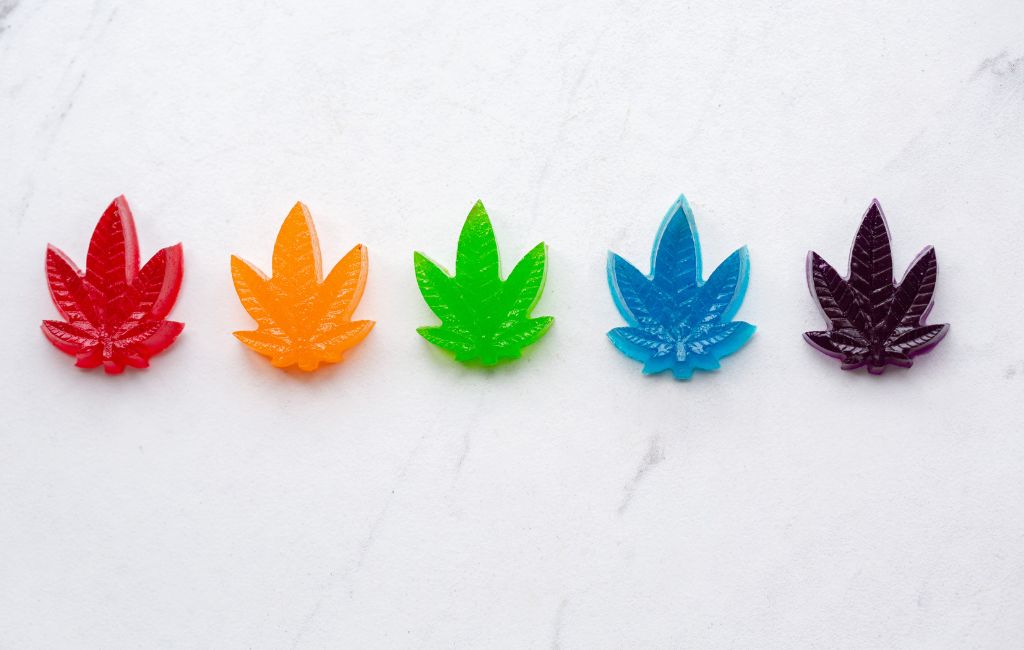
Delta 9 gummies have gained significant popularity in recent years, offering a convenient and enjoyable way to experience the benefits of Delta 9 THC. With a myriad of options available, selecting the right product can be overwhelming. This guide aims to provide comprehensive insights to help you make an informed decision.
Understanding Delta 9 THC
Delta 9 THC, or Delta-9-tetrahydrocannabinol, is a naturally occurring compound found in cannabis plants. It is known for its psychoactive effects, which can induce feelings of euphoria and relaxation. Unlike CBD, Delta 9 THC is responsible for the “high” associated with cannabis consumption.
Legal Status
The legality of Delta 9 THC varies by region. In the United States, the 2018 Farm Bill legalized hemp-derived products containing less than 0.3% Delta 9 THC. However, state laws may differ, so it’s crucial to verify local regulations before purchasing.
Benefits of Delta 9 Gummies
Delta 9 gummies offer several advantages over other forms of THC consumption:
- Discreet Consumption: Gummies are easy to consume without drawing attention, making them ideal for those who prefer privacy.
- Precise Dosage: Each gummy contains a specific amount of Delta 9 THC, allowing for accurate dosing.
- Long-Lasting Effects: Edibles typically provide prolonged effects compared to smoking or vaping.
- Flavor Variety: Available in numerous flavors, gummies cater to diverse taste preferences.
Factors to Consider When Buying Delta 9 Gummies
When selecting Delta 9 gummies, several factors can influence your choice:
Potency
Potency refers to the concentration of Delta 9 THC in each gummy. Beginners may prefer lower potency options, while experienced users might opt for higher concentrations. It’s advisable to start with a low dose and gradually increase as needed.
Ingredients
Check the ingredient list for any allergens or artificial additives. Many brands offer organic or vegan options for those with dietary restrictions.
Third-Party Testing
Reputable brands often provide third-party lab test results to verify the purity and potency of their products. These tests can confirm the absence of harmful contaminants such as pesticides or heavy metals.
Brand Reputation
Researching brand reputation can provide insights into product quality and customer satisfaction. Online reviews and testimonials can be valuable resources in this regard.
Popular Delta 9 Gummy Brands
Several brands have established themselves as leaders in the Delta 9 gummy market. Here are a few noteworthy options:
- Exhale Wellness: Known for their high-quality, vegan-friendly gummies, Exhale Wellness offers a range of potencies to suit different needs.
- Delta Effex: This brand is praised for its innovative flavors and commitment to transparency through third-party testing.
- 3Chi: Offering a variety of cannabinoid products, 3Chi is recognized for its consistent quality and customer service.
Case Studies and Statistics
Recent studies have highlighted the growing demand for Delta 9 gummies. According to a report by Grand View Research, the global cannabis edibles market is expected to reach $11.56 billion by 2025, with gummies being a significant contributor to this growth.
A case study conducted by a leading cannabis research firm found that 68% of participants preferred gummies over other edible forms due to their taste and ease of use. This preference underscores the importance of flavor and convenience in consumer choices.
Potential Side Effects
While Delta 9 gummies offer numerous benefits, they may also cause side effects, particularly when consumed in large quantities. Common side effects include dry mouth, dizziness, and increased heart rate. It’s advisable to consult a healthcare professional if you have any concerns or pre-existing conditions.
Conclusion
Delta 9 gummies present an appealing option for those seeking a convenient and enjoyable way to experience THC. By considering factors such as potency, ingredients, and brand reputation, you can select a product that aligns with your preferences and needs. As the market continues to grow, staying informed will help you navigate the diverse options available, ensuring a satisfying and safe experience.
Gold IRA Companies
THCa Flowers
Mushroom Coffee
Mushroom Gummies
Delta 9 Gummies
Peptides
Architect
Personal Injury Lawyer
Sell A Business